
Shoe Resoling in Laval: How to Extend the Life of Your Shoes
A worn sole does not necessarily mean your shoes have reached the end of their life. In many cases, shoe resoling done at the right time can restore a stable, grippy and comfortable sole while allowing you to keep a pair that already fits your feet well.
In Laval, the climate can be hard on footwear: wet sidewalks, de-icing salt, snow, temperature changes and everyday wear all speed up damage to soles and heels. Before replacing a good pair, it is worth checking whether a sole repair, heel replacement or full resoling is possible.
In short: if the shoe upper is still in good condition and the wear is concentrated mainly underfoot, resoling is often an excellent option. A cobbler can assess the shoe’s construction and recommend the most durable repair based on how you use it.
What Is Shoe Resoling?
Shoe resoling means repairing or replacing part or all of the outsole when it has become too worn, too thin, loose or slippery. Depending on the shoe, the repair may be partial — for example, at the forefoot or heel — or more extensive when the shoe’s construction allows it.
The work involves more than simply gluing on a new piece. The cobbler first needs to check the upper, the base of the shoe, the condition of the stitching, the existing adhesive and how the sole was constructed. This assessment helps determine whether the pair can be properly resoled and which material will work best.
When Should You Have Your Shoes Resoled?
The best time to repair shoes is often before the wear reaches components that are more difficult to restore. Common signs include:
- the sole has become smooth and provides less traction;
- the heel is wearing unevenly or the heel cap is almost worn through;
- the sole is getting thinner under the forefoot;
- part of the sole is starting to separate;
- you can feel uneven surfaces underfoot more than you used to;
- the shoes are still comfortable, but the bottoms are visibly worn.
Waiting until a hole goes completely through the sole or the heel is worn into its underlying structure can make the repair more complicated. A preventive inspection can therefore make an important difference in how long a good pair lasts.
Which Shoes Can Be Resoled?
Repairability depends much more on construction than on the price of the shoe. Leather shoes, boots, many dress shoes and numerous quality footwear styles are well suited to resoling. Some comfort shoes can also be repaired or reinforced when their soles and overall construction allow it.
On the other hand, some very lightweight styles, one-piece moulded shoes or footwear made with bonded technical soles can be more difficult to resole. You should not assume that a pair is either repairable or beyond repair without having it examined. An in-shop assessment remains the most reliable way to know what is possible.
Which Material Should You Choose for a New Sole?
The right material depends on the type of shoe, the way you walk, the season and the level of traction you need. The goal is not to choose the hardest material at all costs, but the one that best suits how the shoe is actually used.
| Material | Strengths | What to Consider |
|---|---|---|
| Rubber | Good traction, abrasion resistance and versatility for everyday wear. | The compound and thickness should suit the style and flexibility of the shoe. |
| Leather | Classic appearance and elegant finish; suitable for many dress shoes. | Provides less traction on wet surfaces; a protective sole may sometimes be useful. |
| Crepe | Flexible and comfortable; often appreciated on certain walking or casual styles. | Can pick up dirt and wear differently depending on the type of surface. |
| Synthetic / foam | Can provide light weight and cushioning on certain styles. | Repairability varies widely depending on the construction, adhesive and age of the sole. |
For footwear used in Laval, winter conditions, moisture and the need for traction can also be taken into account. The final choice should always respect the shoe’s original construction and the way you use it.
Resoling, Sole Repair or Heel Replacement: What Is the Difference?
These services are related, but they do not address exactly the same problem:
- Sole repair: a localized repair to a worn, split or separating area.
- Partial resoling: replacement of a significant section, often at the forefoot or under the heel.
- Full resoling: replacement of the outsole when the shoe’s construction allows it.
- Heel or heel-cap replacement: a targeted repair to the back of the shoe, often before the wear reaches the heel block itself.
A proper diagnosis helps avoid doing more work than necessary. Sometimes reinforcement or a sole protector is enough; in other cases, more complete resoling will provide a better long-term result.
Repair or Replace: How Do You Decide?
Resoling is especially worthwhile when the shoes are comfortable, the upper is still in good condition and the problem is concentrated on the sole or heel. It can also make sense when you want to keep a quality pair whose fit and shape already work very well for you.
Replacement makes more sense when several structural components are badly deteriorated at the same time, when the upper material has become too fragile or when the construction will not support a durable repair. Part of a cobbler’s role is to tell you what is worth repairing and what is not.
Repair also supports reuse. RECYC-QUÉBEC explains that extending the useful life of a product through repair helps prevent waste. Repairing a good pair before replacing it can therefore be practical, economical and more responsible.
How Does Shoe Resoling Work with a Cobbler in Laval?
- Evaluate the pair: check the upper, sole, heel, stitching, adhesive and overall construction.
- Choose the solution: local repair, reinforcement, sole protector, heel work, partial resoling or full resoling.
- Select the material: consider traction, flexibility, thickness, appearance and intended use.
- Prepare and install: remove or prepare worn areas, then glue and/or stitch as required by the shoe.
- Finish and inspect: level the repair, adjust the edges and check the result before returning the shoes to the customer.
At Cordonnerie Atelier Confort, the goal is to recommend a solution that matches the shoe’s actual condition. A pair that simply needs a heel cap or reinforcement should not receive an unnecessarily complex repair.
How Can You Extend the Life of Your Shoes After a Repair?
Resoling gives the bottom of the shoe a new lease on life, but a few simple habits can help preserve the repair for longer:
- rotate between pairs when possible so moisture has time to evaporate;
- allow shoes to dry naturally, away from direct heat;
- remove salt and dirt promptly after winter outings;
- care for leather with appropriate products to help prevent it from drying out;
- use a shoehorn to protect the heel counter;
- have heels and soles checked as soon as visible wear appears instead of waiting for something to break.
These habits are simple, but they help protect both the sole and the rest of the shoe. Repairs done early are generally easier to carry out and allow more of the original construction to be preserved.
Where Can You Have Your Shoes Resoled in Laval?
Cordonnerie Atelier Confort is located at CF Carrefour Laval, Entrance 6, at 3035 boulevard Le Carrefour, Laval, Quebec H7T 1C8. This family-run shop has been in business since 1990 and provides repair, restoration and care services for shoes, boots and leather goods.
To explore more services, visit our Cobbler in Laval: Shoe Repair page as well as our guide to leather shoe repair.
Practical tip: bring the pair into the shop. A visual inspection can quickly confirm whether resoling makes sense and which option offers the best balance of durability, comfort and cost.
FAQ — Shoe Resoling and Shoe Repair
How Many Times Can a Pair of Shoes Be Resoled?
It depends on the construction, the quality of the upper and the condition of the base. Some quality shoes can be resoled more than once, while other styles only allow limited repairs. An inspection is needed to confirm what is possible.
Can All Shoes Be Resoled?
No. Shoes that are stitched or designed to be repaired are generally good candidates. Some moulded, very lightweight soles or soles integrated into the shoe’s structure are more difficult, and sometimes impossible, to replace properly.
Can a Separating Sole Be Repaired?
Often, yes — especially if the separation is localized and the materials are still in good condition. If the sole is very old, brittle or deformed, another solution may be necessary.
Should You Wait Until There Is a Hole in the Sole?
No. It is better to act before the wear reaches the inner layers or damages the shoe’s structure. Preventive repair is often simpler and less noticeable.
What Is the Best Material for Resoling Shoes?
There is no single best material for every shoe. Rubber often provides good traction and durability, while leather is well suited to many dress shoes. The right choice depends on the style, the season and how you use the shoes.
Where Can I Get My Shoes Repaired in Laval?
You can bring your shoes to Cordonnerie Atelier Confort at CF Carrefour Laval, Entrance 6. The team can assess the sole, heel and overall construction before recommending the appropriate repair.
Give Your Shoes a Second Life
If your soles are smooth, thin, separating or wearing unevenly, do not automatically throw the shoes away. Shoe resoling or a targeted repair may be all that is needed to make a good pair ready for many more wears.
Bring your shoes or boots to Cordonnerie Atelier Confort at CF Carrefour Laval. We can examine their condition and recommend a clear solution based on their construction, how they are used and the level of wear.
Cordonnerie Atelier Confort — 3035 boulevard Le Carrefour, Laval, QC H7T 1C8 — Entrance 6 — 450-681-6954
Other Blogs
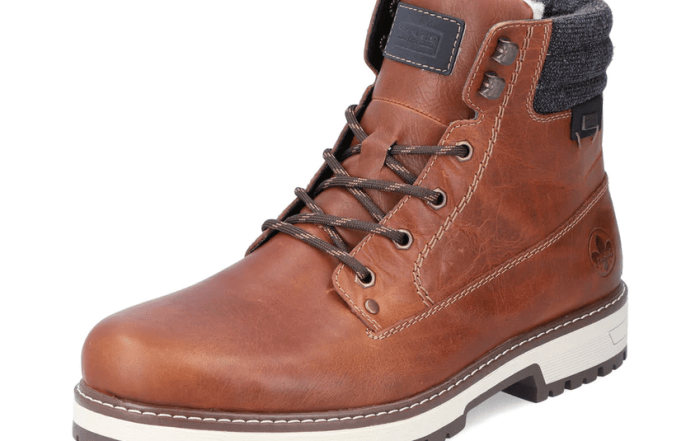
Rieker Shoe Repair in Laval: Can Soles, Heels and Boots Be Repaired?
Yes. In many cases, Rieker shoes can be repaired. A sole that is starting to separate, a worn heel, an
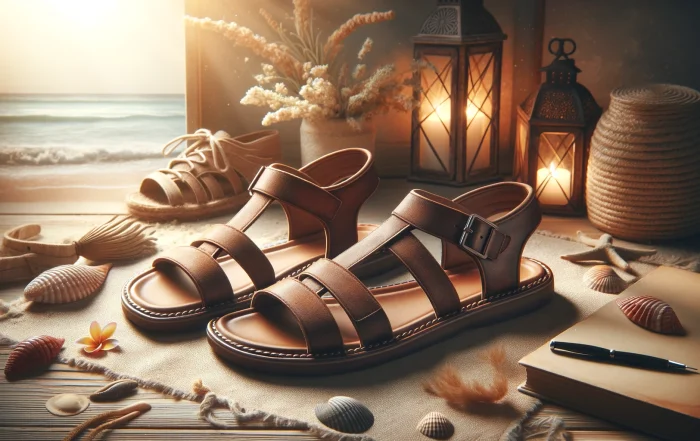
Comfortable Sandals in Laval: 7 Tips for Choosing Well at Atelier Confort
Comfortable sandals in Laval: that is exactly what people look for when summer arrives, but not every sandal is suited
Birkenstock Repair in Laval: 5 Essential Repairs to Extend the Life of Your Sandals
Are your favourite Birkenstocks starting to show signs of wear? Before replacing them, it is often better to consider Birkenstock
The Shoemaker’s Trade in Laval: A Timeless Craft with Modern Repairs
In today’s “throwaway” world, the shoemaker’s trade is making a strong comeback. More and more people want to repair, restore,
Leather Shoe Repair: Practical Guide and Service in Laval
Leather Shoe Repair: Practical Guide and When to Seek Professional Service Leather shoes are built to last, but only if

