
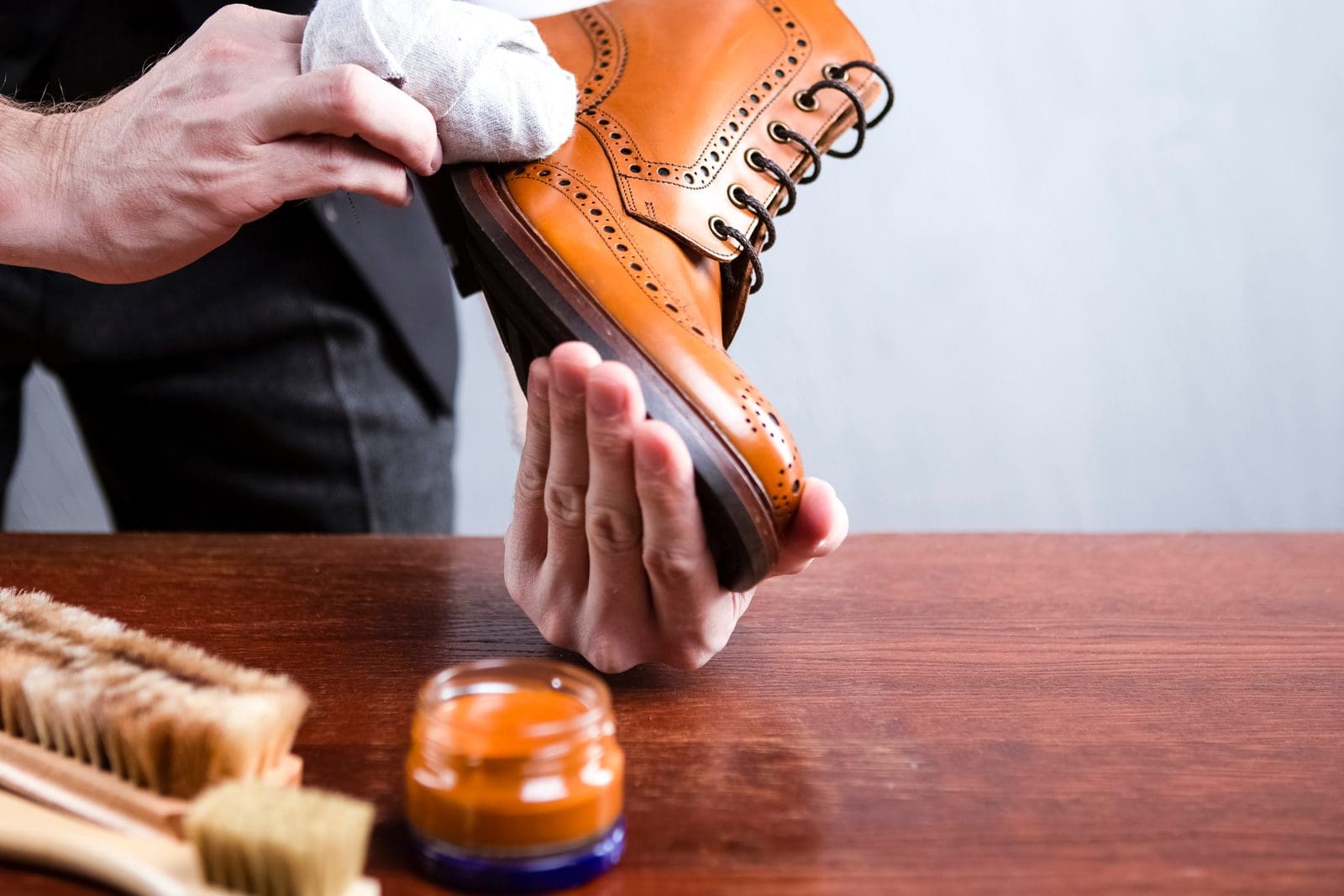
How to Make Shoes Last Longer: 9 Practical Tips From a Cobbler
In Laval, snow, slush, road salt, rain and changing temperatures can take a toll on your footwear. Fortunately, a few simple habits can help your favourite shoes look better, feel more comfortable and last longer.
Whether you wear leather dress shoes, everyday walking shoes, suede footwear or winter boots, the goal is the same: deal with small issues before they turn into costly damage. These nine practical shoe care tips can help you make your shoes last longer through Quebec’s changing seasons.
Quick takeaway: clean gently, use products that match the material, air-dry wet footwear, rotate pairs when possible, and check the heels and soles for early signs of wear.
1. Check the material before choosing a cleaner
Smooth leather, suede, nubuck, fabric and synthetic footwear all require different care. A leather cream that works well on one pair could stain another. Start by checking the manufacturer’s instructions and test any new product on a small, hidden area.
When in doubt, use the least aggressive method. Avoid treating all shoes as if they were made of the same leather.
2. Remove dirt and dust before they build up
A quick wipe or gentle brushing after wear can keep grit and mud from collecting along seams and surfaces. For smooth leather, use a soft cloth that is only slightly damp when needed. Remove debris from the outsole, too, especially pebbles lodged in the tread.
For fabric or synthetic shoes, follow the maker’s cleaning guidance and avoid soaking the whole shoe unnecessarily. Routine cleaning is easier than dealing with deeply embedded dirt.
3. Condition smooth leather carefully
Real smooth leather can become dry or stiff over time. After cleaning and allowing it to dry, apply a thin layer of conditioner or cream made for that specific finish if the manufacturer recommends it. Buff gently with a soft brush or cloth when appropriate.
More product is not always better. Heavy grease, wax or polish may darken the material or damage specialised finishes. Patent leather, coated leather and synthetic surfaces may need entirely different care.
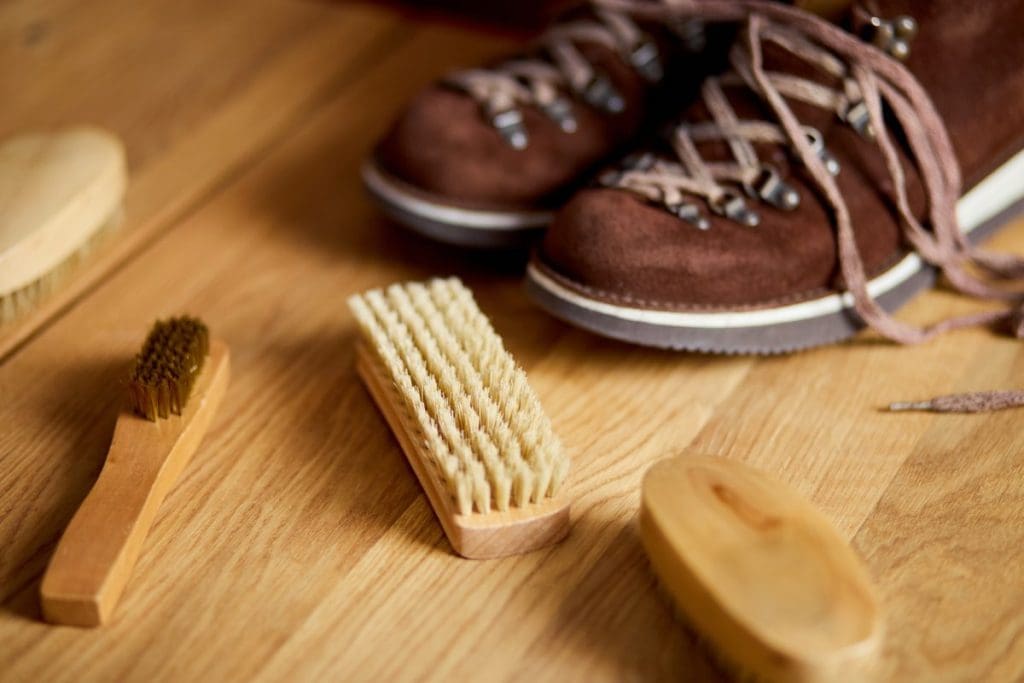
4. Give suede and nubuck their own care routine
Suede and nubuck have a soft, textured surface. Use a suitable suede brush and, for light marks, a suede eraser. Work gently so you do not flatten the nap or spread a stain.
Avoid ordinary leather polish and thick conditioning creams on these materials. If a mark will not lift, professional cleaning may be safer than repeated home treatments.
5. Air-dry wet shoes; never put them next to direct heat
After a wet day, remove detachable insoles and laces, blot away excess moisture and allow the shoes to dry in a ventilated room. Plain, unprinted paper placed inside can help absorb moisture; replace it as needed.
Do not place leather shoes or winter boots directly beside a radiator, heater or hot-air dryer. Strong heat can warp parts of the shoe, stiffen leather or weaken adhesive bonds.
6. Use shoe trees and store footwear properly
Properly sized shoe trees help structured shoes hold their shape and reduce deep creasing. Boot shapers can support tall shafts while they are stored. Do not force an insert into delicate or very wet footwear.
Before seasonal storage, clean your shoes and make sure they are completely dry. Keep them in a cool, dry place away from direct sunlight and avoid piling heavy objects on top.
7. Rotate your shoes when you can
Wearing the same pair every day gives interior moisture less time to dissipate. Switching pairs when possible allows linings and insoles to air out, especially after long workdays or damp weather.
You do not need a closet full of shoes: even one alternate pair for regular wear can make a practical difference.
8. Protect winter boots before Laval’s salt and slush arrive
Before winter, check whether your boots need a water-resistant treatment suited to their material, finish or waterproof membrane. Some footwear already has factory-applied protection and may not need an additional spray.
During the season, remove salt residue promptly using the recommended cleaning method, then allow boots to dry naturally. Remember that a water-repellent treatment does not make every shoe fully waterproof.
9. Watch for worn heels, damaged soles and loose stitching
Check the bottoms of your shoes regularly. An uneven heel, a thinning or slippery outsole, lifting edges, loose stitching or a sticking boot zipper can be a sign that it is time for a repair assessment. Addressing small defects early may prevent more extensive damage.
Heel-tip replacement and resoling can extend the life of suitable shoes, but repairability depends on their construction and condition. Learn more in our shoe repair and resoling options in Laval.
A simple shoe care checklist
- After wearing: brush away visible dirt or salt and give shoes time to air out.
- Weekly or as needed: inspect outsoles and heels, and clean according to the material.
- Seasonally: check winter-boot protection, care for compatible leather finishes, and store shoes only when fully dry.
When should you visit a cobbler in Laval?
Home care is ideal for light cleaning and routine maintenance. For structural damage or stubborn finish problems, ask a professional to assess the pair. Common warning signs include:
- heels worn unevenly or down to the supporting heel block;
- soles pulling away, becoming very thin, or losing traction;
- broken stitching, eyelets or zippers;
- deep scuffs, serious discolouration or marks that gentle cleaning cannot remove.
Cordonnerie Atelier Confort offers heel repair, shoe resoling, cleaning and polishing, shoe stretching, and selected leather-dyeing and zipper-replacement services. The right solution depends on the shoe and the extent of the damage.
If you are unsure which signs of wear are repairable, see our guide to leather shoe repair.
Frequently asked questions
How often should leather shoes be conditioned?
Clean visible dirt as needed and check the leather regularly. Use a compatible conditioner when smooth leather appears dry and its care instructions allow it. There is no single schedule that works for every pair.
Can I waterproof any pair of shoes?
Not necessarily. The right product depends on the material and any existing factory treatment. Always check the manufacturer’s guidance before applying a spray, wax or other protectant.
What should I do when leather shoes get soaked?
Blot the surface, remove detachable components and let the shoes dry naturally at room temperature, away from direct heat. Only use suitable leather care products after they have dried.
Is it better to repair or replace worn shoes?
If the upper is still sound and the main issue is a heel or outsole, repair may be worthwhile. A severely damaged structure may not be economical to restore. A cobbler can help assess the possibilities.
Need a shoe care or repair assessment in Laval?
Visit Cordonnerie Atelier Confort, serving Laval since 1990 at CF Carrefour Laval, entrance 6, 3035 Boulevard Le Carrefour, Laval, Quebec H7T 1C8. Call 450-681-6954, explore our shoe repair and leather-care services, or contact our shop.
Other Blogs
How to Make Shoes Last Longer: 9 Practical Tips From a Cobbler
In Laval, snow, slush, road salt, rain and changing temperatures can take a toll on your footwear. Fortunately, a few

Rieker Shoes: Antistress Comfort, Fit and Care
A practical guide for people who walk often, want comfortable footwear and would like their shoes to last longer. Rieker

Affordable Shoes at Carrefour Laval: 7 Tips for Finding the Right Pair
Looking for affordable shoes at Carrefour Laval without sacrificing comfort after a few hours on your feet? The best deal
Shoe Resoling in Laval: How to Extend the Life of Your Shoes
A worn sole does not necessarily mean your shoes have reached the end of their life. In many cases, shoe
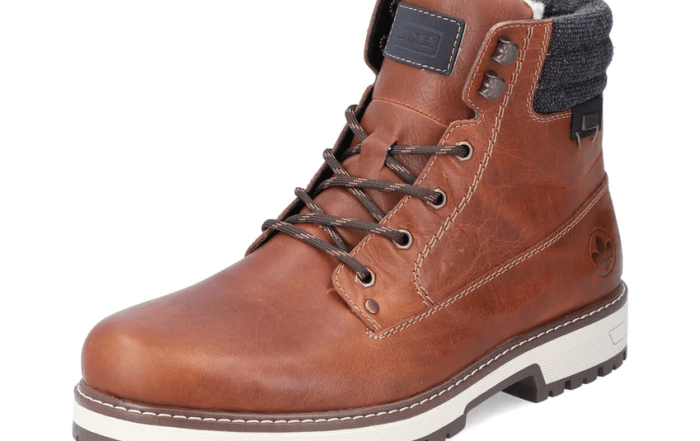
Rieker Shoe Repair in Laval: Can Soles, Heels and Boots Be Repaired?
Yes. In many cases, Rieker shoes can be repaired. A sole that is starting to separate, a worn heel, an

